Dipo Ayoola
Design Engineer
Very rarely does one luck out on their first try. I see it as a stroke of good fortune when I think of my experience at Famasi Africa. It’s been a solid foundation — a place to learn, explore, and hone my craft. That also means it has set a standard against which my perception and taste are now measured.
I came in fresh out of online courses and an intensive bootcamp, thirsty to work on things I could proudly put my name on – work that would impact people (in positive ways). It’s safe to say I’ve taken some huge, satisfying gulps but the thirst is one that’s never quenched.
Over the years, I’ve found myself moving through different fields of design almost effortlessly. I picked up Product Design midway through my Architecture degree, and Fashion design even before my undergraduate years. Honestly, I could make a long list of ventures I’ve explored.
Photo by Andrew Neel on Unsplash
Serendipity, my good friend calls it. Through it all, one constant has remained: my drive to solve problems creatively. The most accurate description of me right now is simple: I’m a creative problem solver. I use whatever tools are at hand – design, code, systems – to drive results.
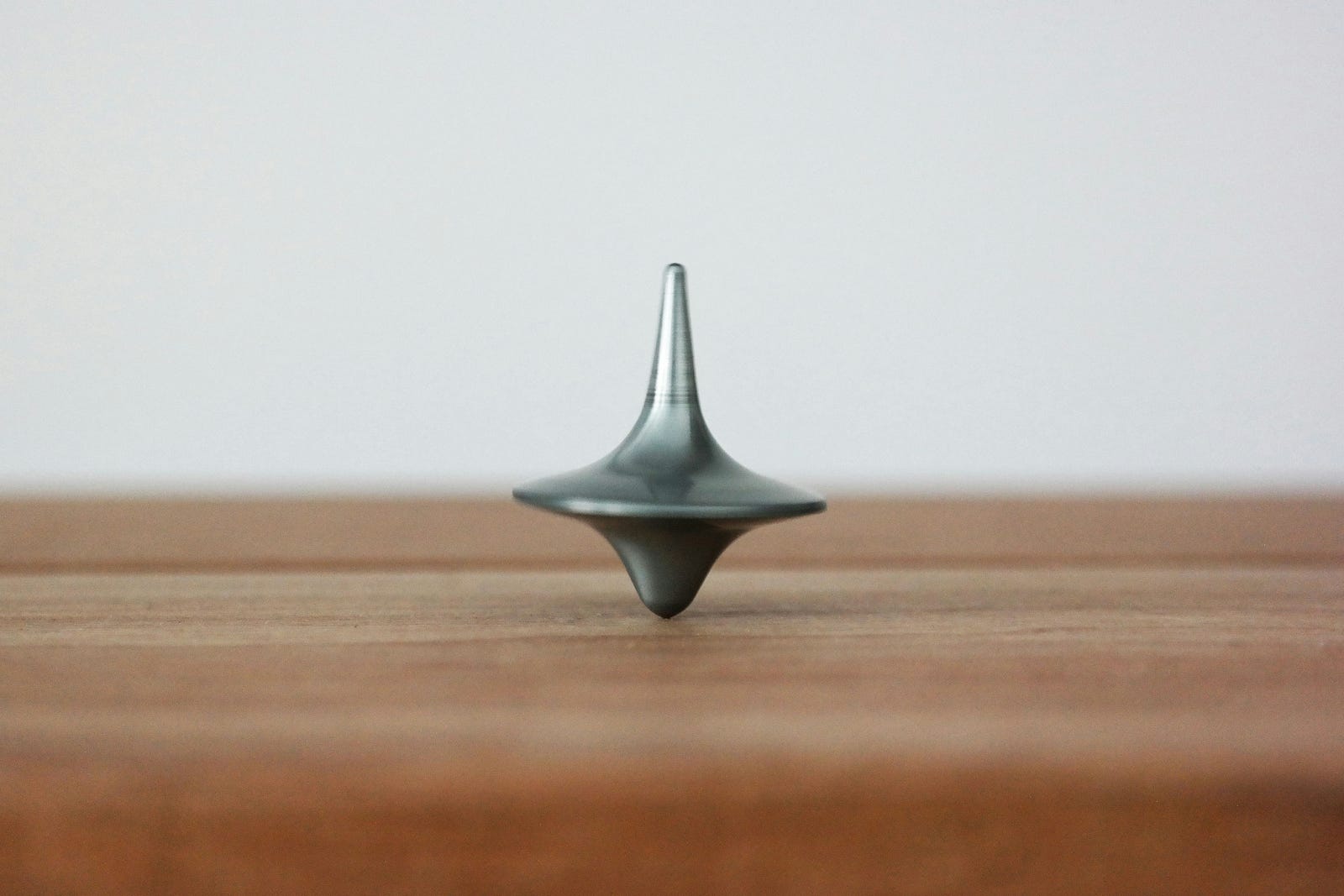
Photo by Jean-Louis Paulin on Unsplash
When I joined Famasi, my understanding of code was basic. But as the first few months flew by, I interfaced with Engineers and learnt more and more about how they work.
The first phase was understanding the basis of React – how it’s built on components and sections, which reinforced my intentional usage of Autolayout in Figma.
Then came Tailwind, and the realisation that it aligns well with a modular scale and the 8-point grid I already employed in my work prior.
Curiosity and a constantly increasing desire to match craft to taste pushed me further. I wanted to close the gap between Design and Engineering, to make sure what I built in Figma was as close as possible to the final version. So, I picked up HTML and CSS to improve our handoff.
Now, instead of static designs, I began handing off Tailwind CSS templates our Engineers could plug in and ship.
That was a fun phase. Design wasn’t just about the pixels in Figma anymore — it was about thinking of implementation even as I worked in Figma.
Over time, I found the overlap that suits me best – the place where design meets code, where ideas move from Figma into working prototypes. Walking that path is what turned me from a Product designer into a Design Engineer.
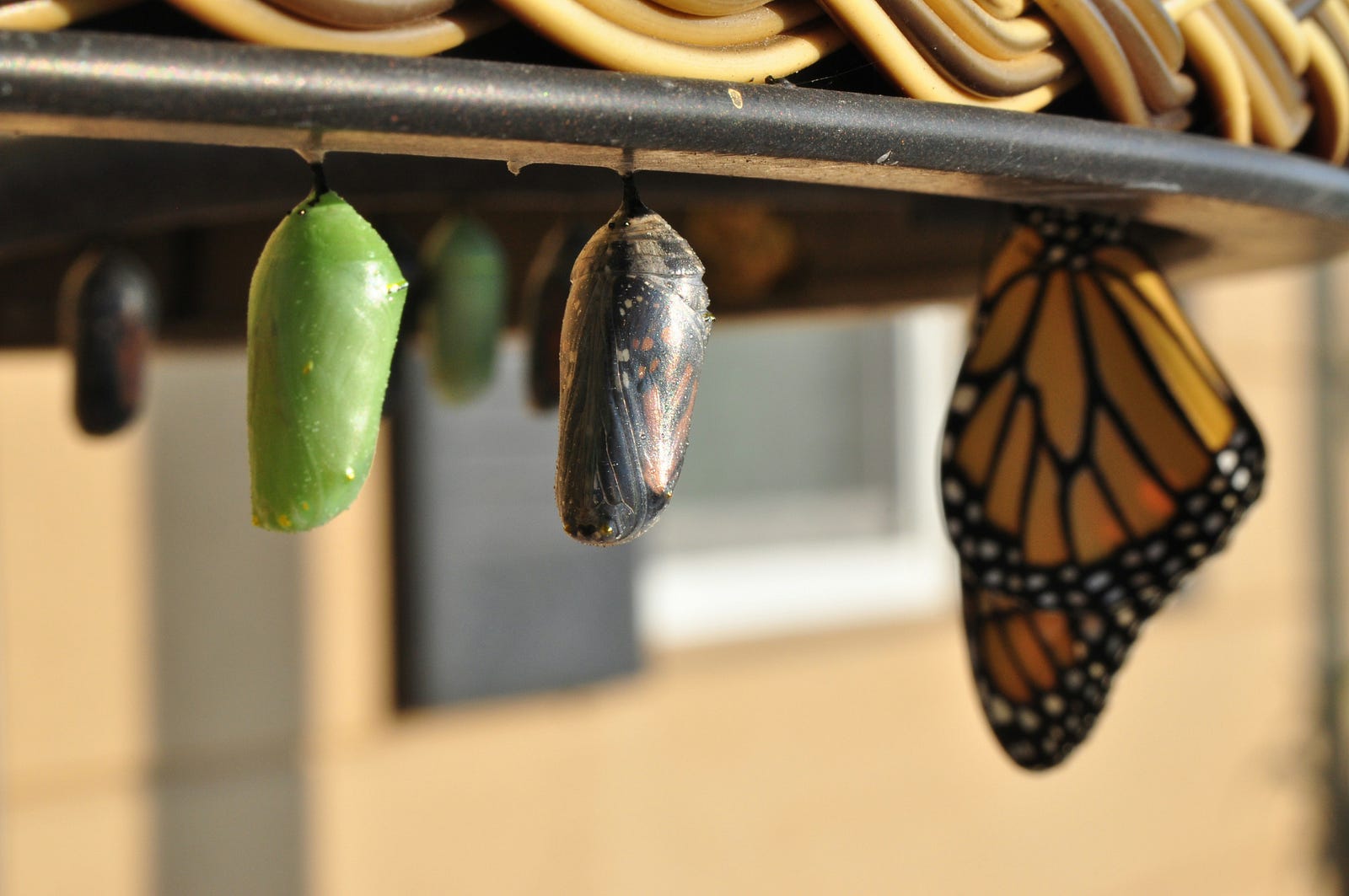
Photo by Suzanne D. Williams on Unsplash
That mindset had me primed for the advent of AI-assisted coding tools. Prior to that, I had explored LLMs (like ChatGPT & Claude) extensively, and I had grown more than decent at prompting.
With AI-assisted coding, I took that further, combining prompting with systems thinking to get meaningful results.
I’ve never been a fan of the popular term vibe coding — it suggests something done without much care. For me, it was never just about “pure vibes.”
I quickly learnt to set up systems and guardrails, making sure the AI agent produced results and hallucinated as little as possible. I operate on the notion that while the agent can do a lot, it won’t just work out of the box without some guidance.
For me, one of the positives of AI is how much it deepened my grasp of implementation. Explaining something clearly to my agent, watching it generate the code, and then examining that code gave me new insights.
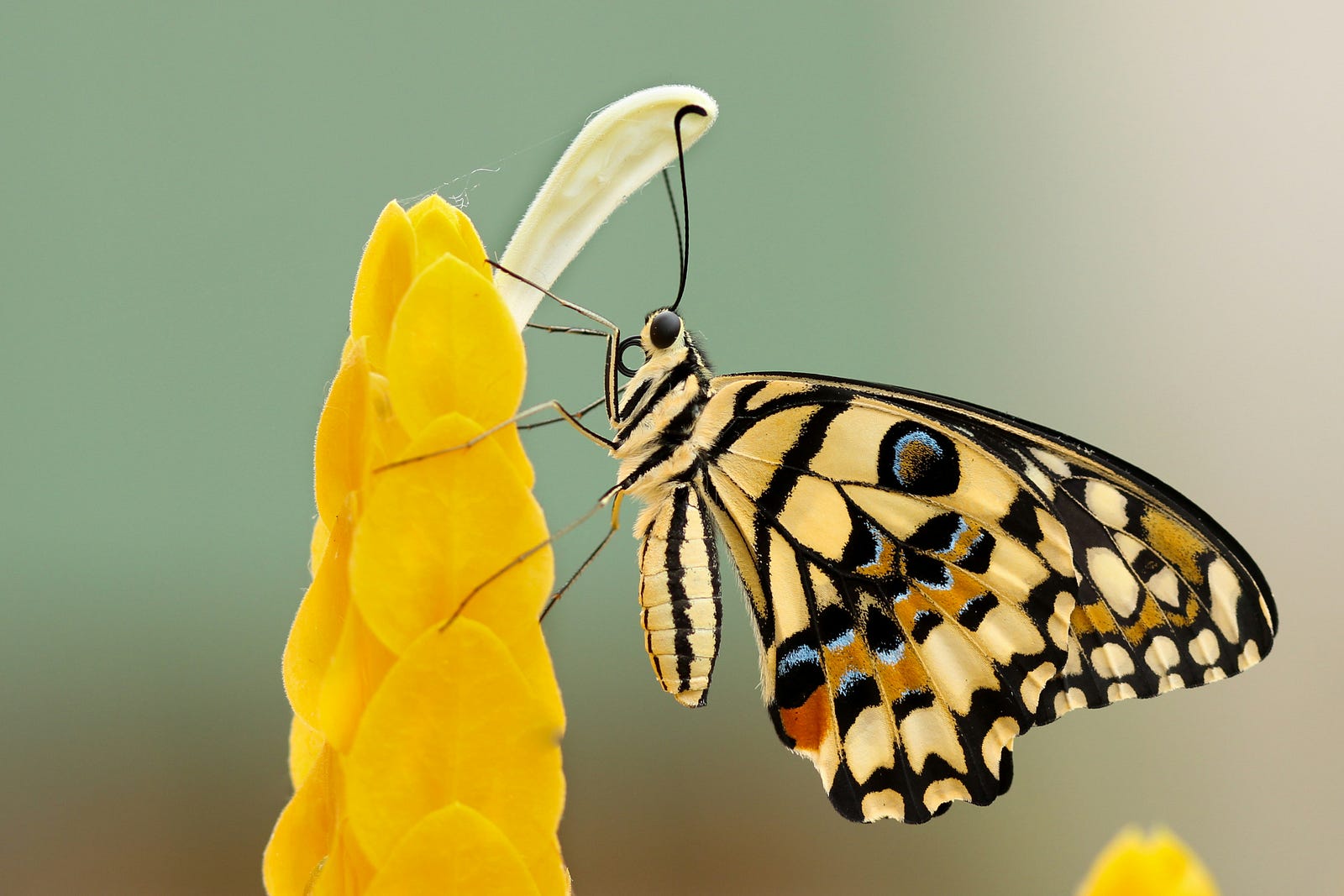
Photo by Boris Smokrovic on Unsplash
Prompting moved on from just about getting output — it became a way to learn, ask questions, and understand how things actually work.
But growth for me hasn’t been only technical. It’s also been about taste, judgement, and care for the final mile. I think of taste like a relay baton.
Even if the first three runners put up their best times, the last leg still has to carry it home. I believe that as designers, we have a responsibility of enabling that last leg.
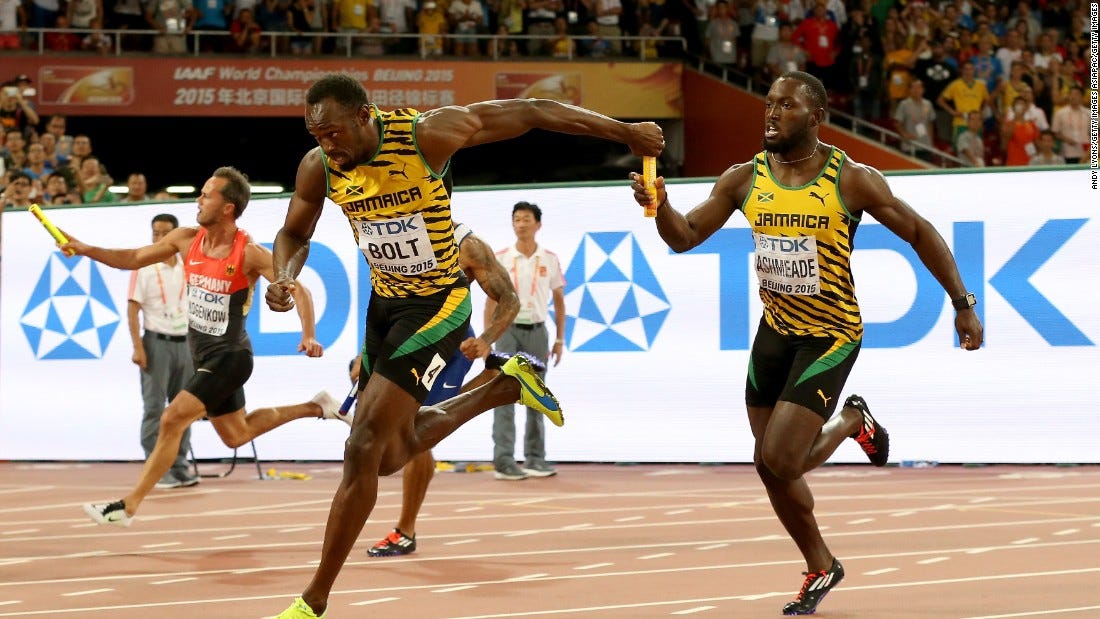
Image via Canadian Running
All of these have been made possible because of Famasi Africa.
A place more than a workplace. It’s been a proving ground. A place to experiment, fail without fear, learn in public, and keep growing.
The people and problem we’re solving are aligned. The bar is higher now — in a way that excites me very much.
Three years in, I’m grateful for the start I got and the standard it set. Cheers to continuously making life a little easier for the next person.